Showing posts with label organic landscapers vancouver. Show all posts

Wednesday, February 12, 2014

If you're suffering a chewed up lawn thanks to the European Chaffer Beetle? We have the answer... Nematodes!

If you're like most lower mainland residents, there is at least someone on the block that has a lawn looking like this:

Image via www.gardentherapy.ca
The European Chafer Beetle is an introduced species, although it has few natural predators in Canada, it makes a great meal for  the crows, starlings, raccoons and skunks that are chewing up your lawn!!

Chafer Beetle larvae feed on the fibrous roots of turf grasses and are hatched from late July - mid August.  They continue eating their way through your lawn until the ground freezes and they descend below the frost line for a few months. Emerging again in April - mid May, they feast for another few weeks before undergoing metamorphosis, and becoming mature adults. Consequently grasses are left without roots to anchor them into the soil and are easily ripped up by hungry birds and animals.
The following is a Chafer larvae:
Image via www.lawnsavers.com

What can you do?
Biological Pest Control is the best answer -- invisible to the human eye but always working hard,  Nematodes are a safe and effective solution to the European Chafer Beetle.
Nematodes enter through the opening of the grub and release a symbiotic bacteria that kills the pest, they are living organisms and need proper handling and application for full benefits to be achieved.
Contact Swick's to book now for summer Nematode applications!
http://www.swicks.net/services2.html#services2


Monday, January 13, 2014

Taste of Life Magazine - Build Your Dream Home Luxury Home Show


Taste of Life – Luxury Vancouver Home Show.

Swick’s Organic Landscaping was specially selected to participate in the Luxury Home Show event ‘Build Your Dream Home’ by Taste of life magazine.
This private invite only event showcases only the best Vancouver has to offer in construction, design and home products.  
An original design by Swick’s designer, John-Paul Capes and company owner, Ron Swick.
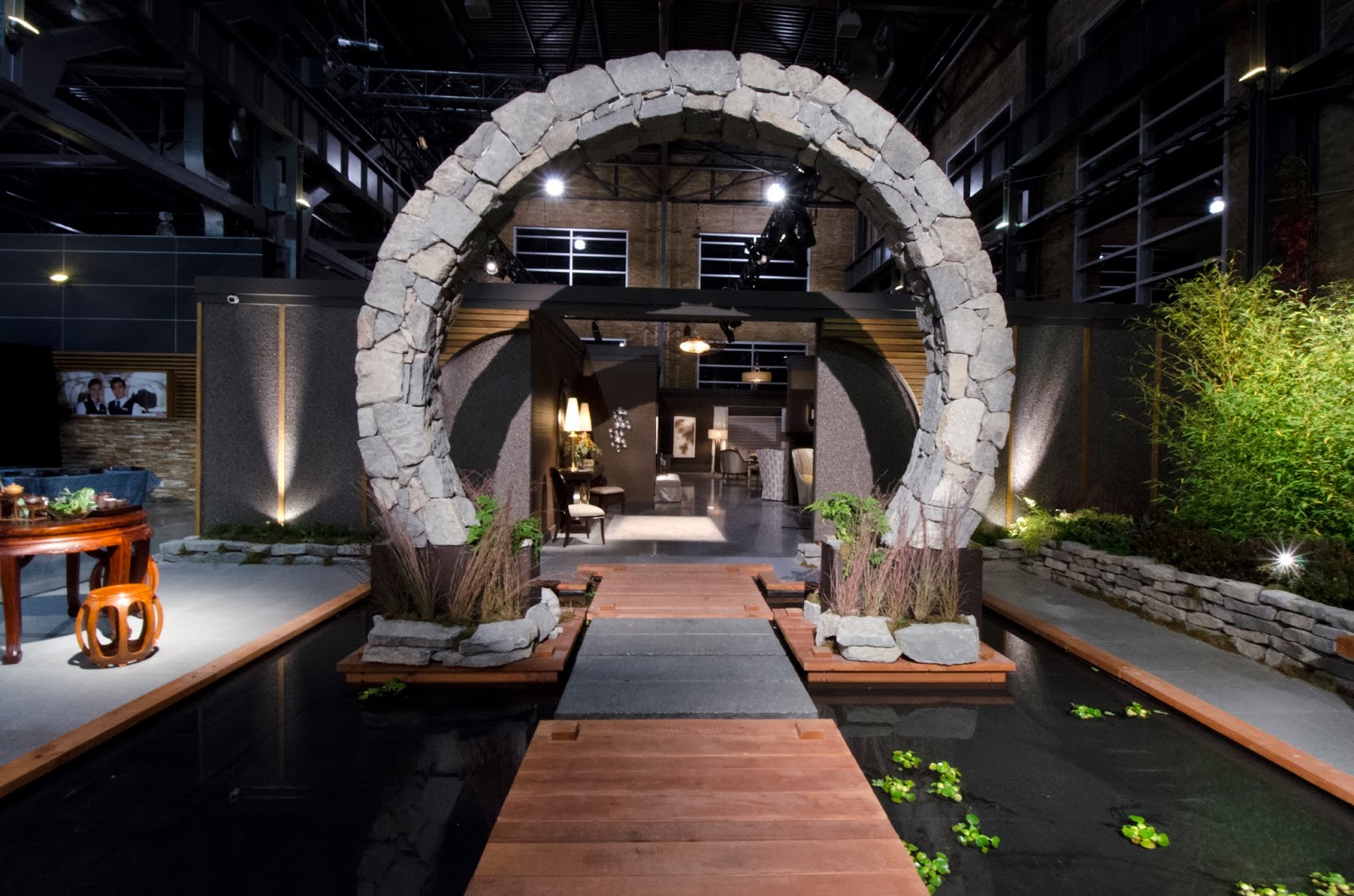
The ‘Floating Fortune’ garden was completed with only 2.5 days to build and the crew working around the clock.
The highlight and centerpiece of the traditional Asian water garden was an oversized moon gate made from natural basalt stone. With a floating cedar and basalt bridge, tea garden, natural basalt stone walls and west coast native plantings this garden turned out to be a beautiful backdrop for photos all through the weekend.

Check out these time-lapse videos of the event!

Posted by G. D. Nielsen Developments. You can see the garden build on the bottom right corner of this video.

Posted by Victor Eric Design - Taste of Life time-lapse

Thank you to our suppliers for your contributions to this event.  

Golden Spruce Nurseries – www.goldenspuce.com
BC Brick – www.bcbrick.com
Northwest Landscape Supply – www.landscapesupply.com

** View More Photos of the event on our website portfolio page!

http://www.swicks.net/portfolio.html


Wednesday, June 12, 2013

New Photography! 


It's always awarding to share images of a project once it is complete. 
Here is a peek at some images from the photo shoots that were completed last week. 
We could not be happier with the results!

Thank you very much to Amanda Oster and Stephen Li at Provoke! Studios for a doing such wonderful job. 


Monday, April 15, 2013

Garden Color


Spring! Life & color in your garden.

Spring is every gardeners favorite time of year.
The signs of life bursting through the soil and on every branch are enough to make any bird sing.
If you haven't planted bulbs in the fall and find that your trees and shrubs are lacking in color, spring annuals can transform a garden without much cost. Visit your local garden store or nursery and be amazed at the new species and varieties. Or if you would rather someone else do the dirty work for you, simply decide on a color scheme and budget and call your landscaper/gardener.

I have included some images of our staff and client favorites.

Nemesia


Mimulus


Bacopa


Gazania

Friday, June 17, 2011

Edible Gardens

Re-thinking your garden landscape to harbour plants that produce food vs. ornamentals, is a great way to cut down on grocery costs and support diversity right in your backyard!
Many plants that supply a bounty of edible leaves, berries, fruits, vegetables and flowers can grow successfully in our climate by utilizing containers, raised beds, arbor, and/or planting directly in to the ground soil.

Raised beds are great when dealing with restricted space, also, they allow you to work with less soil and stimulate quick germination/growth through there capacity to warm up faster.

image via gardeningresource.net

Containers can be a good way to start your edible garden with easy to grow, smaller plants such as:
chives, lettuce, rosemary, sage, cilantro, thyme, basil, parsley etc.  For larger pots, tomatoes and peppers can be grown successfully.

image via thelivinggreensolution.com


When planting in larger raised beds and directly in the soil, keep in mind that by mixing different plant specimens, you can enhance nutrient cycling.  Beans are great nitrogen fixers and help to build and support a healthy garden and nutrient-rich soil. Other plants such as various herbs and marigolds act as natural pest deterents. 
When mixing plants, consider the physiology of the plant. Lettuce, onion, and carrots are different sizes and have different light requirements and thus, grow well together.  The three sisters (corn, squash and beans) is another great plant combination that you may have heard of.

Here is a list of a few of the many edible flowers: clover, carnation, nasturtuim, calendula, basil, lavender, borage, ginger, rosemary, sage, thyme, pansy, and roses. 

whatscookingamerica.net


Different methods of gardening require soil with different properties - ensure that you're using approrpriate soil mixtures or contact Swick's for a garden that fits your needs and home.

Friday, May 6, 2011

A Home for the Bees in your Garden

Mason and Honey bee populations in suburbs and cities have been decimated in recent years. Mites, Colony Collapse Disorder and various environmental factors continue to push this vital animal towards extinction. These little garden creatures are imperative for the pollination of a healthy ecosystem.  Anything we can do to help support bee populations is essential to their survival.

http://www.comoxvalleynaturalist.bc.ca

Mason bees rarely sting so they are a terrific bee to attract to any urban garden.
You can lend a helping hand and attract more bees to your yard by planting nectar and pollen producing flowers. Some great choices that will thrive in our climate are; Ceanothus, Lavendar, Thyme, Hebe, Iberus, Heather etc.
Bees are more attracted by blue, purple, white and yellow flowers and prefer flowers planted in bunches.


Ceanothus
Once you have brought the bees to your garden, building or buying a simple mason bee home is not only fun for you but great for the solitary mason bee.

To build a simple bamboo bee home, cut a long piece of bamboo into several 5-7 inch lengths and tie them together with wire or twine. Place the bundle in a sheltered area amongst tree branches. With any luck your home will have guests in no time. 

http://blueberrytalk.wordpress.com

It is also important to supply your bees with water.  By filling a large dish with rinsed sand and rock and then water, you create a safe drinking fountain for the bees -- and avoid stagnant pools which will attract mosquitoes, and likely drown the bees. 


Blessed Bee is a great organization based in the lower mainland that aspires to integrate bees into the fabric of urban life by providing guest honey beehives to reside in neighbourhood back yards.  Check out the video and their website for inspiring ways to support bees and get a hive for your own backyard!
http://youtu.be/fPw11oe2HBg

A great website with step by step instructions to construct a more elaborate house.